Let’s dip our toes into fabric construction. I’ll make it short and sweet, I promise. Woven fabrics contain two grains — warp (vertical) and weft (horizontal) — where threads are, you … Read more
Let’s dip our toes into fabric construction. I’ll make it short and sweet, I promise. Woven fabrics contain two grains — warp (vertical) and weft (horizontal) — where threads are, you guessed it, woven together to create fabric. The two have slightly different characteristics: the warp is generally stronger and more stable, whilst the weft has more give. You may have also seen the term ‘grain line’ floating around, or heard it in Year 7 textiles only to promptly forget it for the last nine years. Spoiler: ‘grain’ did not, in fact, have anything to do with rice. It refers to the direction in which a pattern piece should be aligned with the fabric before cutting, indicated by a big arrow on the pattern, and usually follows the warp grain.
So, what is a bias cut, and what difference does it actually make? It can’t be that special, right? Wrong.
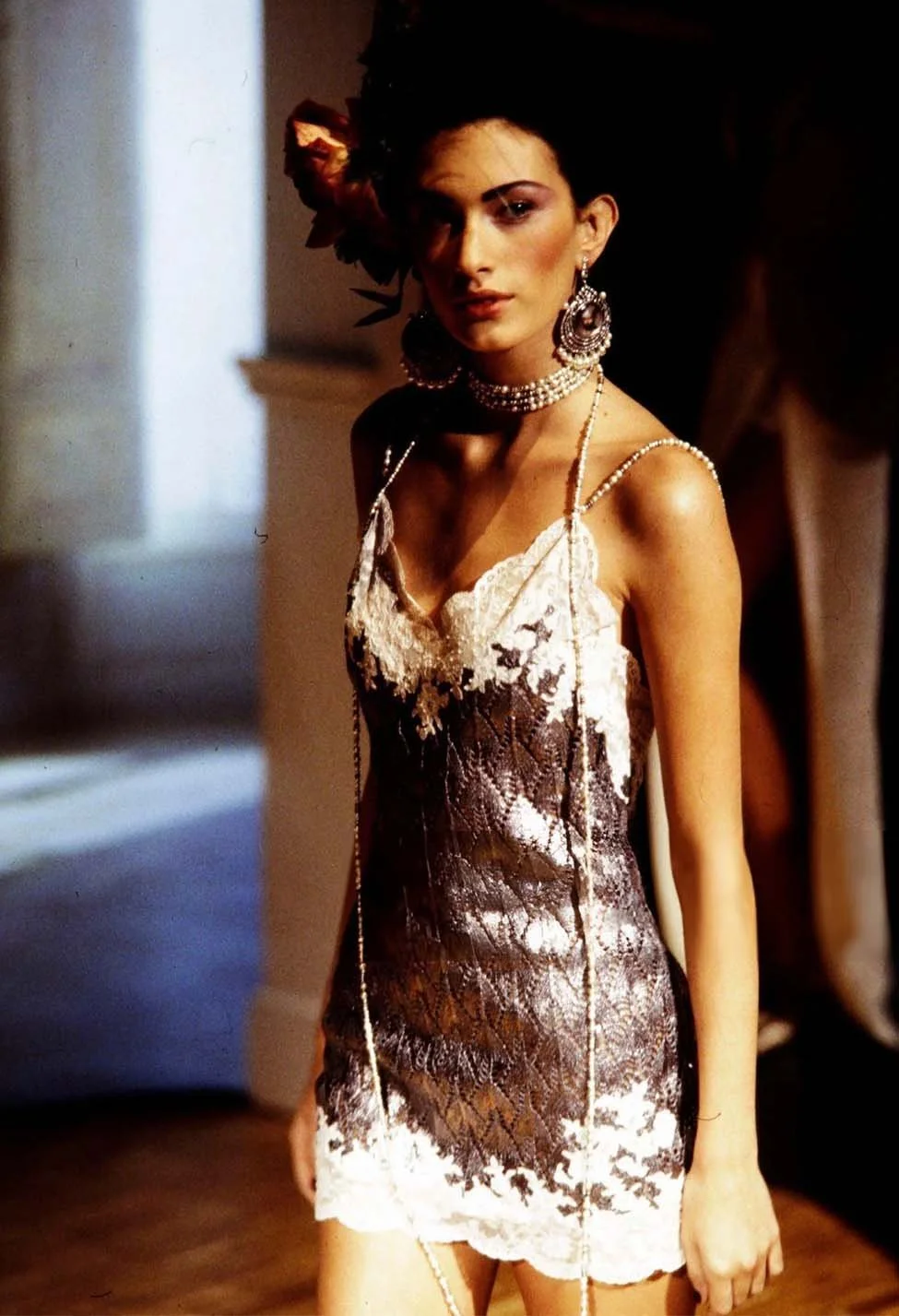
A bias cut is when the fabric is cut diagonally across the grain, typically at a 45-degree angle. This allows the fabric to drape in a way that moves with the body, creating that slinky 90s silhouette we all know and love, thanks to the increased stretch and fluidity the diagonal grain provides. This fabricates (I’ll get my coat) a dress that gently hugs the body and smoothly envelops it, whilst never looking like it’s trying too hard — or at all. Yes, I’m basically frothing at the mouth. Move aside, clean girls: this is the true master of effortless chic.
But (there’s always a but), bias-cut fabric is an absolute nightmare to work with. Natural stretch, meet instability. Fluid drape, meet distortion. Pot, meet kettle.
The diagonal grain can stretch under its own weight — and under pretty much any handling at all — which can lead to misshapen and wavy edges. Panels also need to be cut carefully to account for the direction of the bias with front and back ones cut on opposing biases, or the finished garment can twist around the body, and not in a signature Vivienne Westwood kind of way. Seams may require narrow zig-zag stitching so they can move with the fabric rather than restricting it, whilst garments often need to hang for 24 hours before hemming to allow the fabric to settle. And the elephant in the room — the cutting: a precise 45-degree angle, often combined with single-layer cutting, takes up space and creates a whole lot of fabric wastage.
Oddly enough, most companies don’t exactly seem to be queuing up to make bias-cut garments… wonder why.
Seated comfortably? Well strap on your seatbelts for our whistle-stop tour of the history behind the bias cut. The mastermind behind this technique is none other than Madeleine Vionnet, one of Europe’s greatest couturiers. In the early 1920s, her maison became famous for this technique, producing garments that flattered the female form, encouraging women to move away from corsets. Many of her garments were constructed without fastenings, nor did she sew down her draperies — instead expecting her clients to manoeuvre the fabrics for the desired effect.
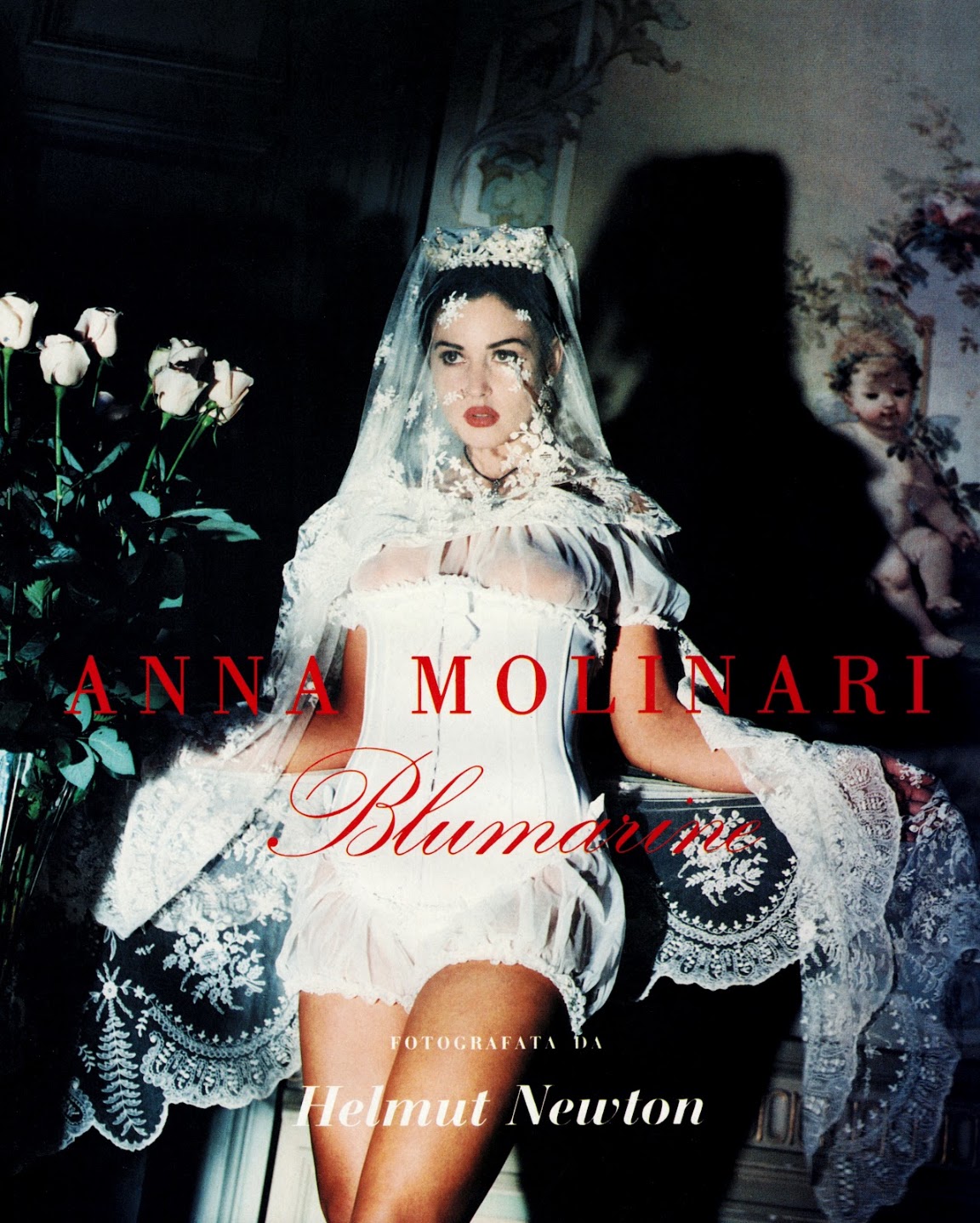
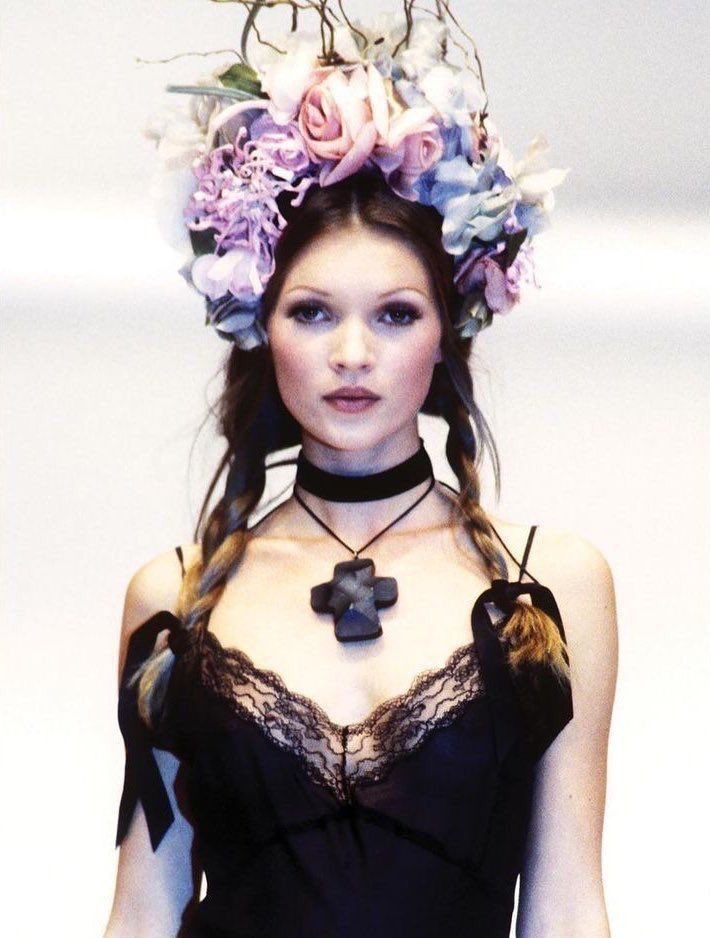
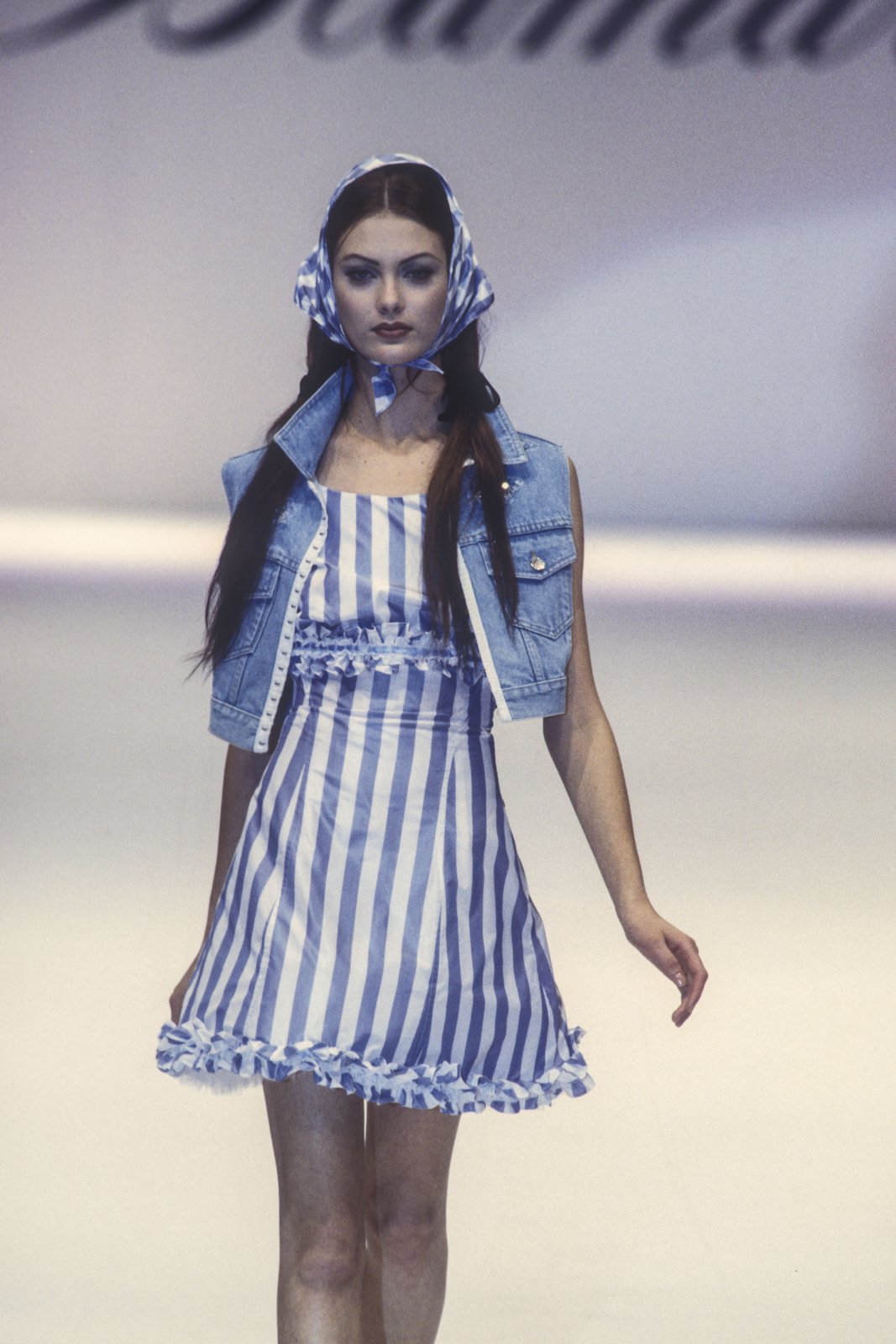
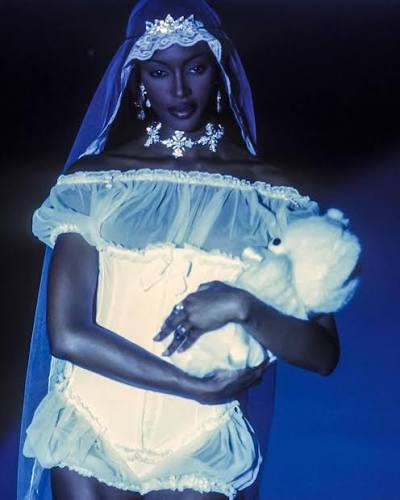
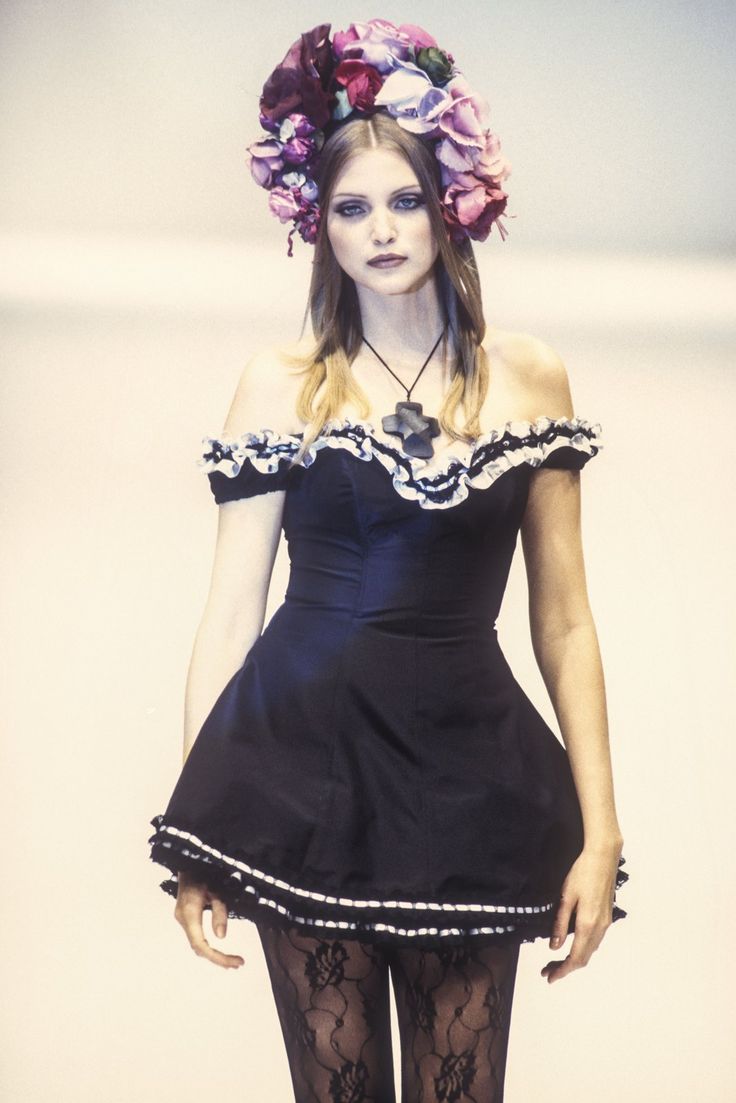
In the 1990s, the bias cut returns to the forefront of fashion in the form of my beloved bias cut slips. In the earlier decades they were primarily worn as underwear, as the line between that and outer garments became increasingly blurred. Now that line vanishes. Much as Madame Vionnet’s dresses loosened women from their corsets, the 90s brought lingerie to the foreground, asking the public to reconsider social conventions. Designers like John Galliano, who often included such in his collections at Dior, popularised the silhouette to the mainstream consumer, cementing its legacy as a pillar of 90s fashion.
His goal? Quote: “when a man looks at a woman wearing one of my dresses, I would like him basically to be saying to himself, ‘I have to fuck her.’” So much for female liberation. Someone else is watching, and it’s not us. Whose fantasy of effortlessness are we really buying into?
Maybe the bias cut isn’t simply a technique but a broader metaphor for what it creates: curated nonchalance. The irony of looking effortless is that it takes more work.
It may look like you’ve rolled out of bed, running fashionably late to your 9am lecture after oversleeping, with just the perfect amount of mess because you’re too cool to try. In reality, someone behind the scenes has been wrestling with fabric and praying to the hemming gods. It encapsulates the very notion that’s bled into our modern society: take the clean girl makeup routine with hundreds of pounds’ worth of skincare aiming to appear like you naturally woke up that way. We are obsessed with looking like we haven’t tried because admitting to the world that you spent 2 hours painting your face and choosing an outfit ruins the illusion.
The ‘cool girl’ doesn’t look like she’s trying to be cool; she just is.
In our world of rapidly cycling microtrends, the ultimate flex has become effortless self-possession and ’natural taste’ — something instinctive rather than a skill that you’ve spent years, and a regrettable chunk of cash to hone. It signals that you’re above the masses — you don’t care what’s popular because, apparently, you don’t need to. Of course, effortless chic is expensive — it’s become a not-so-subtle class indicator. Think of all the ‘old money’ influencers on Instagram and TikTok — people care about appearing expensive, enviable, and aspirational. Being able to have clothes altered, purchase high-quality fabrics, and most importantly have enough clothes and accessories to make an outfit look thrown together — the amount of ‘always been here’ minimalism that actually costs more than my rent. All of this requires time, money, and cultural knowledge.
And underpinning all of that — fit. Fit is the ultimate status symbol. Wealth is allowed to masquerade as the coveted ’natural taste,’ turning cultural capital into something akin to personality. Not everyone who dresses well is rich, nor do all rich people dress well …
We romanticise instinctive taste — but is there really such a thing? If taste were purely instinctive, wouldn’t we all still dress like we did as children? I certainly would have a stronger loyalty to rhinestones and patterned leggings. In truth, this ’natural taste’ is nothing more than expertise that has become so ingrained with the person that it is no longer visible. After all, someone who has spent years refining their wardrobe, understanding their clothes, and learning what they like can hardly be called a ’natural’. Maybe it’s more a matter of their clothes feeling so authentic to themselves — and the confidence they get from them — that makes it appear ’natural.’
That’s the funniest contradiction of all — I am, of course, also doing the exact same thing I’ve just been unpacking. Guilty as charged. I find myself wondering when we start to value things more because we didn’t see the work behind them. After all, I’ve spent a year looking for this mythical perfect dress, scouring high and low, just so I can look like I didn’t try at all. Pot, meet kettle indeed.
It’s never about trying, just about making sure no one ever knows you did. Read less